What Are Eye Allergies?
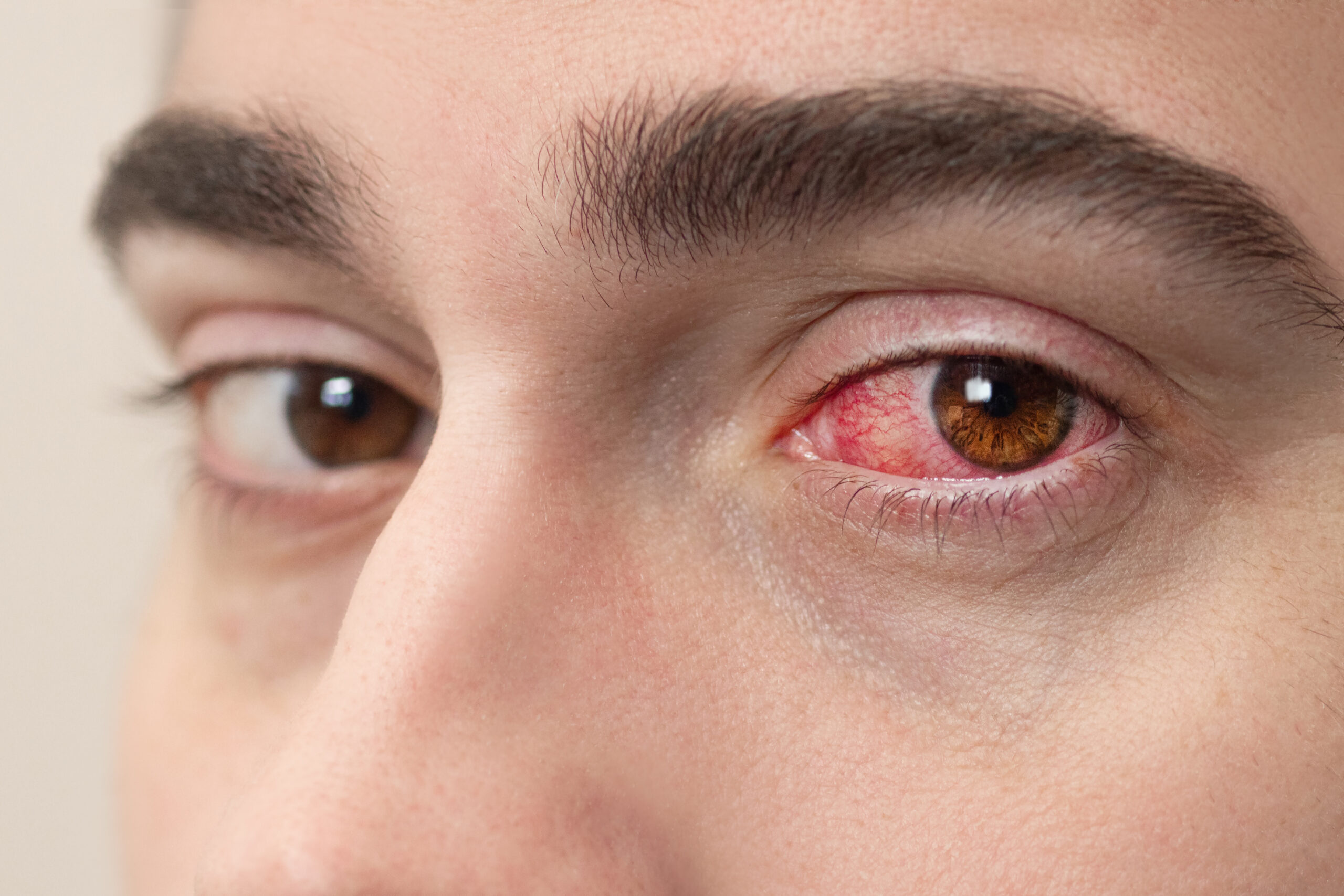
Eye allergies, also called allergic conjunctivitis, happen when your eyes react to things like pollen, dust, or pet dander. These triggers are called allergens. When you come into contact with them, your eyes may become red, itchy, or watery. Eye allergies are common and can affect people of all ages. Although they are not usually serious, they can be very uncomfortable. For many, eye allergies come and go with the seasons. However, some people have symptoms all year round.
Common Symptoms of Eye Allergies
Eye allergy symptoms can appear quickly after exposure to allergens. Some people may notice symptoms right away, while others may develop them over time. Common signs include:
Sometimes, these symptoms can be mild. However, they may also become more severe if you keep being exposed to allergens.
Causes and Risk Factors
Eye allergies happen when your immune system reacts to harmless things. These things are called allergens. Some common causes include:
In addition, some people are more likely to get eye allergies. For example, if you have a family history of allergies, asthma, or eczema, your risk is higher. Living in areas with high pollen counts can also increase your chances.
How Eye Allergies Are Diagnosed
Doctors can often diagnose eye allergies by asking about your symptoms and medical history. They may also look at your eyes with a special light. Sometimes, your doctor may suggest allergy testing. For example, a skin prick test can help find out what you are allergic to. In rare cases, your doctor may take a small sample from your eye for testing. However, this is not common. Most of the time, a simple exam is enough.
Treatment Options for Eye Allergies
There are several treatment options for eye allergies. The best treatment depends on your symptoms and what causes them. Common treatments include:
For some people, allergy shots may help. These are given by a doctor and can reduce your body’s reaction to allergens over time. However, not everyone needs this treatment.
Prevention Tips and Lifestyle Guidance
Preventing eye allergies can help you feel better every day. While it may not be possible to avoid all allergens, you can take steps to lower your risk. For example:
By making these changes, you can help prevent eye allergy flare-ups. In addition, talk to your doctor about other ways to manage your symptoms.
When to See an Eye Specialist
Most eye allergies can be managed at home. However, you should see an eye specialist if:
Early care can help prevent complications. Therefore, do not wait if you are worried about your eyes.
If you experience persistent eye allergy symptoms, consult an eye specialist at Diyansh Eye Hospital for personalized advice.