What Are Winter Eye Allergies?
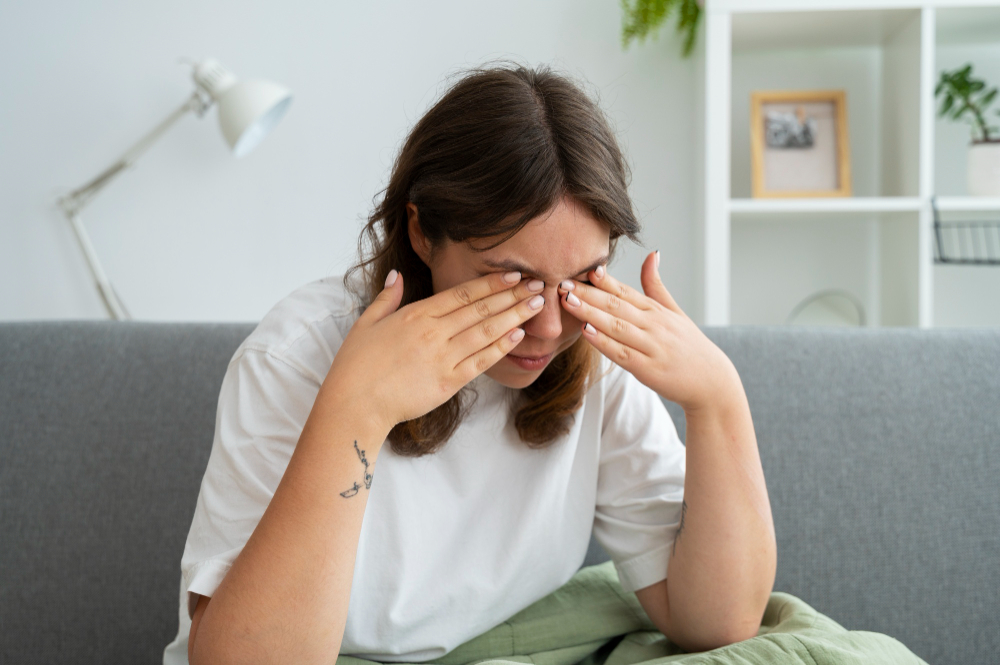
During winter, many people notice itchy, red, or watery eyes. These symptoms often point to winter eye allergies. Winter and eye allergies can affect your daily comfort. They can also harm the clear front part of your eye, called the cornea. Because the air is dry and cold, allergens like dust and mold can irritate your eyes more. Protecting your cornea in winter is important for clear vision and eye health.
Common Symptoms Affecting the Cornea
Winter eye allergies can cause several symptoms. Some of these directly affect the cornea. For example, you may notice:
Because these symptoms can be bothersome, it is important to watch for changes. If you notice pain or vision loss, seek help right away.
Causes and Risk Factors in Winter
Many things can trigger winter eye allergies. For instance, indoor heating makes the air dry. This can irritate your eyes. Also, dust mites, pet dander, and mold are common indoors during winter. When you spend more time inside, your eyes are exposed to these allergens. People with a history of allergies or asthma may be at higher risk. Wearing contact lenses can also increase your chances of irritation.
How Winter Allergies Impact the Cornea
Winter allergies can make your eyes itchy and red. However, they can also harm your cornea. The cornea is the clear, dome-shaped surface at the front of your eye. When it gets inflamed, you may feel pain or notice blurry vision. In severe cases, scratching your itchy eyes can damage the cornea. This may lead to infections or scars. Therefore, protecting your cornea in winter is very important.
Diagnosis and When to See a Doctor
If you have ongoing eye symptoms, it is wise to see an eye doctor. They can check your eyes and rule out other problems. Sometimes, doctors use special lights or dyes to look at your cornea. If you have pain, vision changes, or discharge, seek help right away. Early care can prevent more serious issues.
Effective Treatments and Home Remedies
Many treatments can help with winter eye allergies. For mild symptoms, you can try:
For more severe symptoms, doctors may suggest allergy eye drops or oral medicines. According to the American Academy of Ophthalmology, antihistamine drops can reduce itching and redness. Always follow your doctor’s advice before starting new treatments.
Practical Tips to Protect Your Cornea in Winter
To keep your cornea healthy during winter, try these simple tips:
By following these winter eye care tips, you can lower your risk of cornea problems.
Prevention Strategies for Winter Eye Allergies
Preventing winter eye allergies is possible with a few steps. For example, keep windows closed to block outdoor allergens. Also, vacuum carpets and furniture often. If you have pets, bathe them regularly to reduce dander. Choose allergy-proof covers for pillows and mattresses. If you know what triggers your allergies, try to avoid those things. These allergy prevention for eyes strategies can help you enjoy winter with fewer problems.
In summary, winter and eye allergies can affect your cornea and overall eye health. However, with the right steps, you can protect your cornea in winter. If you have ongoing symptoms or concerns, consult Diyansh Eye Hospital for personalized advice on protecting your cornea during winter allergies.