
Introduction
Many people wonder about eye pressure and nerve damage. These two are closely linked. Your eye test can reveal important details about both. In fact, early detection can help protect your vision. This blog explains what you need to know about eye pressure, nerve damage, and how eye exams can help.
What Is Eye Pressure?
Eye pressure, also called intraocular pressure, is the fluid pressure inside your eye. Normally, this pressure keeps your eye’s shape and helps it work well. The usual range for eye pressure is between 10 and 21 mmHg (millimeters of mercury). If your eye pressure is too high or too low, it can cause problems. For example, high eye pressure can harm the optic nerve.
How Does High Eye Pressure Affect the Optic Nerve?
High eye pressure can slowly damage the optic nerve. The optic nerve sends visual signals from your eye to your brain. When pressure builds up, it can squeeze or harm these nerve fibers. Over time, this may lead to vision loss. In many cases, people do not notice symptoms until damage has already happened. That is why regular eye pressure tests are important.
What Is Nerve Damage in the Eye?
Nerve damage in the eye often means harm to the optic nerve. This can happen due to high eye pressure or other causes. Early signs may be hard to notice. However, as damage grows, symptoms may appear. These can include:
If left untreated, optic nerve damage can lead to blindness. Therefore, recognizing optic nerve damage symptoms early is key.
What Does an Eye Test Reveal About Pressure and Nerve Health?
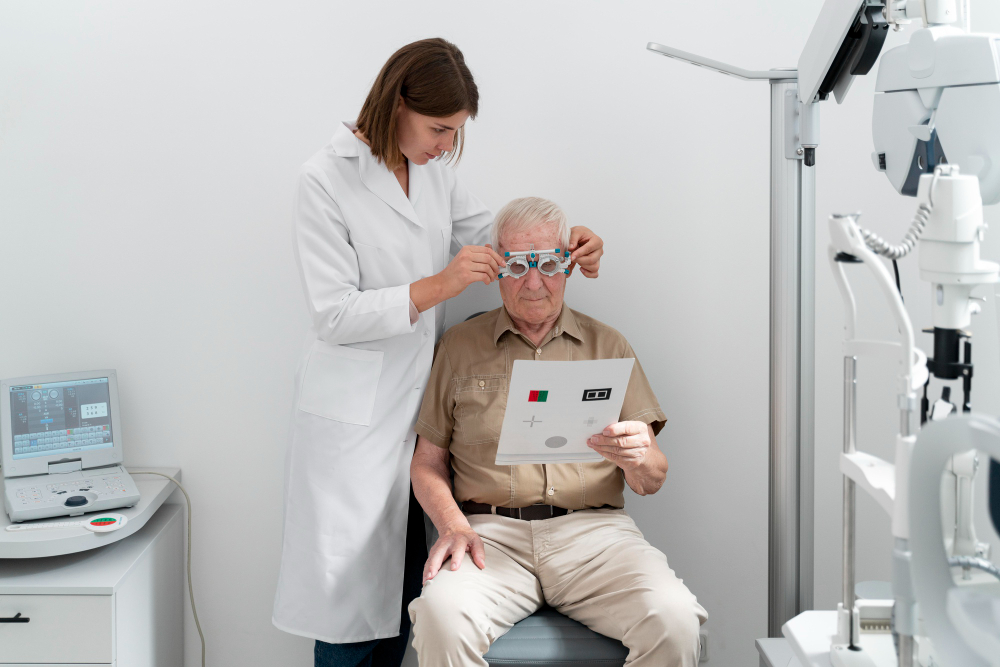
During an eye exam, your doctor checks both eye pressure and nerve health. First, they may use a special tool to measure your eye pressure. This is called an eye pressure test or tonometry. Next, they look at your optic nerve for any signs of damage. Sometimes, they use bright lights or special cameras to see the nerve clearly. In addition, your doctor may ask about your vision and any changes you have noticed. Eye exams can detect nerve damage before you notice symptoms. This is why regular glaucoma screening is so important.
Diagnosis: Common Tests for Eye Pressure and Nerve Damage
Doctors use several tests to check for eye pressure and nerve damage. These include:
Each test gives your doctor more information about your eye health. Together, they help spot problems early.
Treatment Options and Lifestyle Guidance
If you have high eye pressure or nerve damage, treatment can help. Your doctor may suggest:
Along with treatment, healthy habits matter. For example, regular exercise may help lower eye pressure. Eating a balanced diet and not smoking can also support eye health. Always follow your doctor’s advice for the best results.
Prevention Tips for Healthy Eye Pressure and Nerves
While you cannot control all risks, you can take steps to protect your eyes. Here are some tips:
Early action can help prevent vision loss from eye pressure and nerve damage.
Conclusion
To sum up, eye pressure and nerve damage are serious but manageable. Regular eye exams can catch problems early. If you notice any changes in your vision, do not wait. Consult Diyansh Eye Hospital for personalized advice on eye pressure and nerve health.